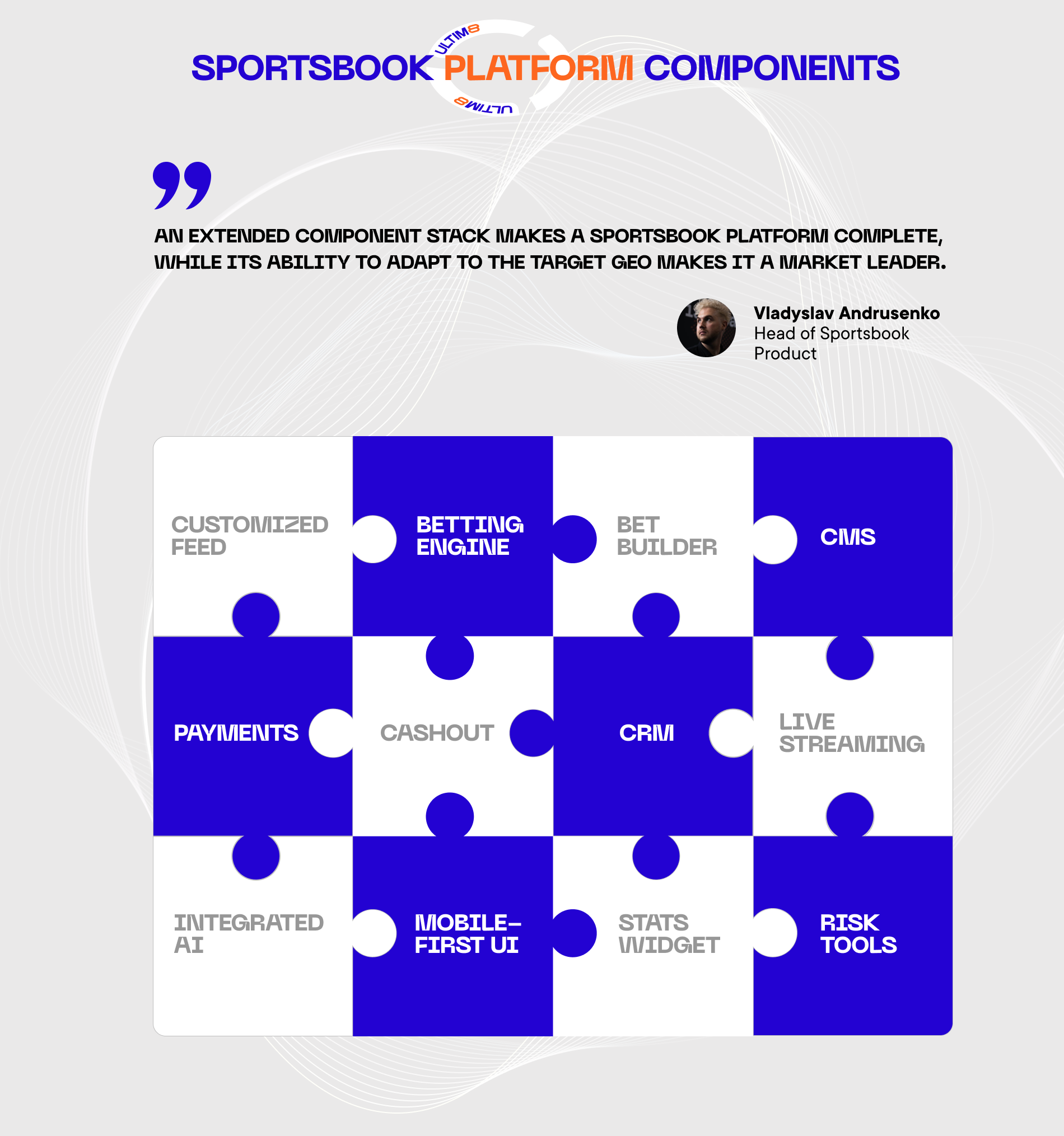
A sportsbook is a high-profit product. It can diversify revenue for casino operators or thrive as a standalone business. But its long-term success doesn’t come from flashy design or aggressive affiliate campaigns. It all comes down to the core platform that controls the odds, supports the features, and keeps the betting experience smooth day after day.
Below, I break down the key components of a modern sports betting platform—a structure I call the “6+6 Formula.”
Component #1: Live-Ready CMS
Live events are the bedrock of any sportsbook platform. When maximizing GGR and player retention, the rule is simple: the more content, the better. In practice, this means the ability to display 30–50 live events at any time, or up to 25,000 events per day.
But flooding a product with content does not guarantee engagement. A successful sportsbook solution unites content coverage and user demands. It allows operators to deliver round-the-clock betting, tailoring it to various segments via content portfolio and localization.
Rich content portfolio: While world championships capture huge attention, they do not run daily. Besides, time zone differences lower user flows. That’s where local competitions and niche sports come into play, ensuring a steady stream of content for player retention.
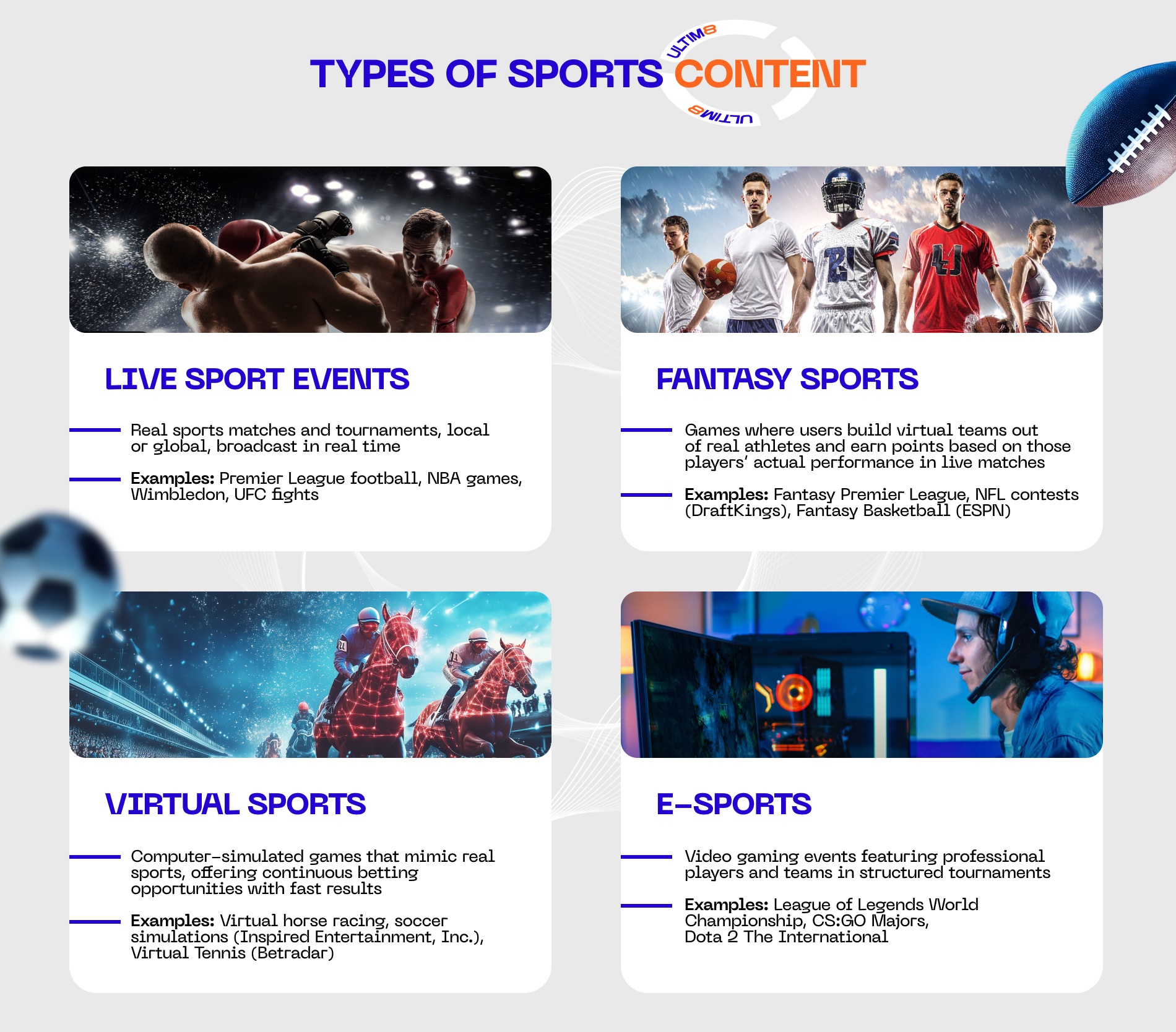
On the other hand, betting tastes differ. An advanced online sportsbook platform anticipates this and covers traditional sports, fantasy sports, virtual sports, and esports. Such diversification helps operators fill in the content gaps and hook bettors up with fast in-play bets and instant results.
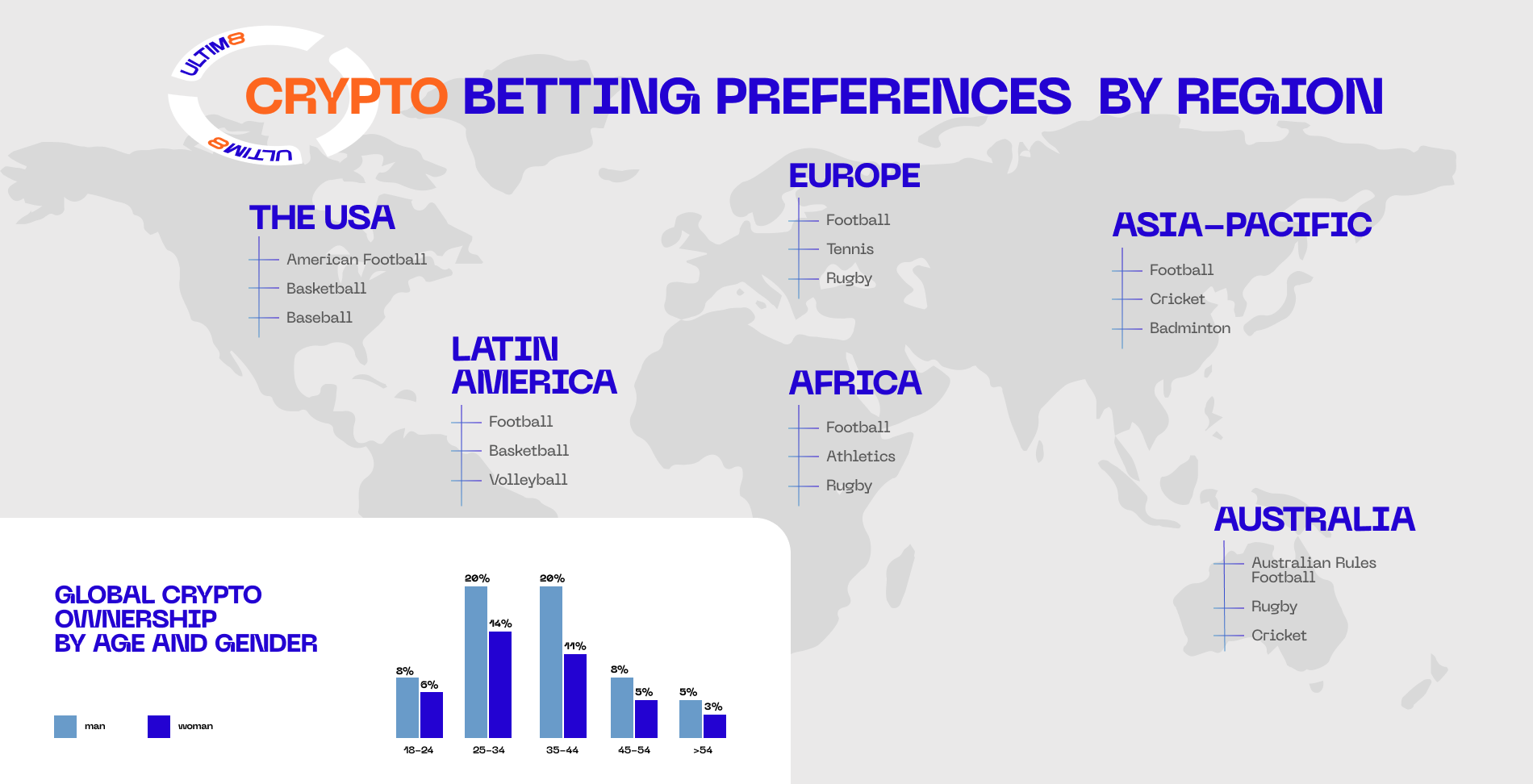
Content localization: Language localization and regulatory compliance are vital, but they are only half the job. What matters is adjusting content to the preferences of the target region. A sportsbook solution provider should enable you to feature football in Brazil, cricket in India, or kabaddi in Bangladesh.
Component #2: Betting Functionality for Pre-Match and Live
The more betting options a sportsbook platform provider offers, the more action you drive. The variety keeps users engaged and pushes them to explore deeper layers of sports betting. For operators, it’s not just a way to stand out. It’s a calculated move to expand revenue strategies, balance risk, and strengthen retention.
| Betting Option | Specifics |
| Money Lines (1X2) | - Popular in football/soccer and hockey
- Simple format attracts inexperienced bettors
- Low margin volatility makes it easy to model for operators
- “Draw” option creates a natural profit buffer for books
|
| Double Chance | - Common in sports where draws are frequent (e.g., football)
- Attracts conservative bettors, offering lower risk/lower payout
- Lower win probability leads to a higher bookmaker edge
|
| Handicap | - Frequent in Asian markets, basketball, and football
- Provides market balance and margin control
- Allows for offering fair odds in one-sided matches
|
| Totals (Over/Under) | - Widespread in the NFL, the NBA, football/soccer, and tennis
- Generates huge revenues due to the volume of micro-markets
- Easy to automate and price with historical/statistical models
|
| Parlays | - Very high-margin option for operators
- Effective in marketing promotions.
- Risky but appealing for players due to big win potential
|
| Player Props* | - Drives engagement and personalization
- Offers better margins thanks to high variance and low predictability
- Requires advanced data feeds and pricing engines
- *Advanced betting option
|
Pre-match betting still holds value. But it’s no longer enough. In 2026, every sportsbook must also focus on live action (unless you operate in Australia or other markets where live betting is legally prohibited). That’s why real-time betting is taking off within most iGaming solutions, bringing deeper immersion and longer sessions:
- In-play betting: Users place wagers after the game starts. Odds shift in real time, creating moderate/high risk and prolonging players' engagement.
- Microbetting: Throughout live games, bettors place ultra-specific wagers on minor outcomes (next corner, shot, yellow card, etc.), often resolved in minutes or seconds. In microbetting, the risks are high, and so is player excitement.
These bet types are not plug-and-play. They demand a robust technical infrastructure with real-time data processing, a dynamic odds engine, and granular risk management. But the efforts quickly pay off with increased interaction and more frequent stakes.
Component #3: Payment Gateways
Without payments, a sportsbook is just a scoreboard. Payment gateways link the sportsbook to global and local providers and work seamlessly within Tier 3 markets (not just Tier 1 and 2). This is vital for iGaming businesses that aim to operate successfully in several regions at once.
When players feel safe, they bet more, so payment security is also non-negotiable. Every bet starts with a deposit, and every deposit must be fast and transparent. A sportsbook platform aligned with the latest trends has what it takes, from debit/credit cards and e-wallets to payment systems and crypto.
Sources: CoinTelegraph, Triple-A, Statista
Component #4: Mobile-First UI
In theory, mobile adaptability is easy. In practice, only a few sportsbook software providers can implement it properly, with geo specifics in mind.
Yet, the shift from desktop platforms to mobile-friendly applications is undeniable. The reason is clear: young people crave on-the-go convenience. Regions like India, Asia, and Latin America, where most users rely on mobile rather than desktop, also impact this trend, pushing mobile dominance even further.
Mobile responsiveness isn’t just a feature. It’s the backbone of any high-performing sportsbook. At GR8 Tech, we see it clearly: 95% of our sportsbook clients’ GGR comes from mobile devices. If your platform isn’t built for mobile, it’s built to miss out.
At the same time, older generations, particularly in Tier 1 and Tier 2 markets, still prefer desktop and offline betting. If you want to engage as many players as possible, your sportsbook has to work on Android, iOS, mobile, desktop, and wherever they are.
But device compatibility is not the only factor at play. Sportsbook products handle large volumes of live content and real-time updates. Only those operators who ensure broad coverage of live content, even in regions with an unstable internet connection and low bandwidth, stand out.
Loading speed optimization is essential, just as is a lightweight frontend that delivers under challenging conditions. I’m sure this functionality is a must, as it keeps a product reliable, fast, and accessible no matter where or how users engage.
Component #5: Multifunctional CRM with a Bonus Engine
Luring players with diverse content and betting options is hard, but keeping them is an absolute challenge. That’s where a bonus engine may save the day.
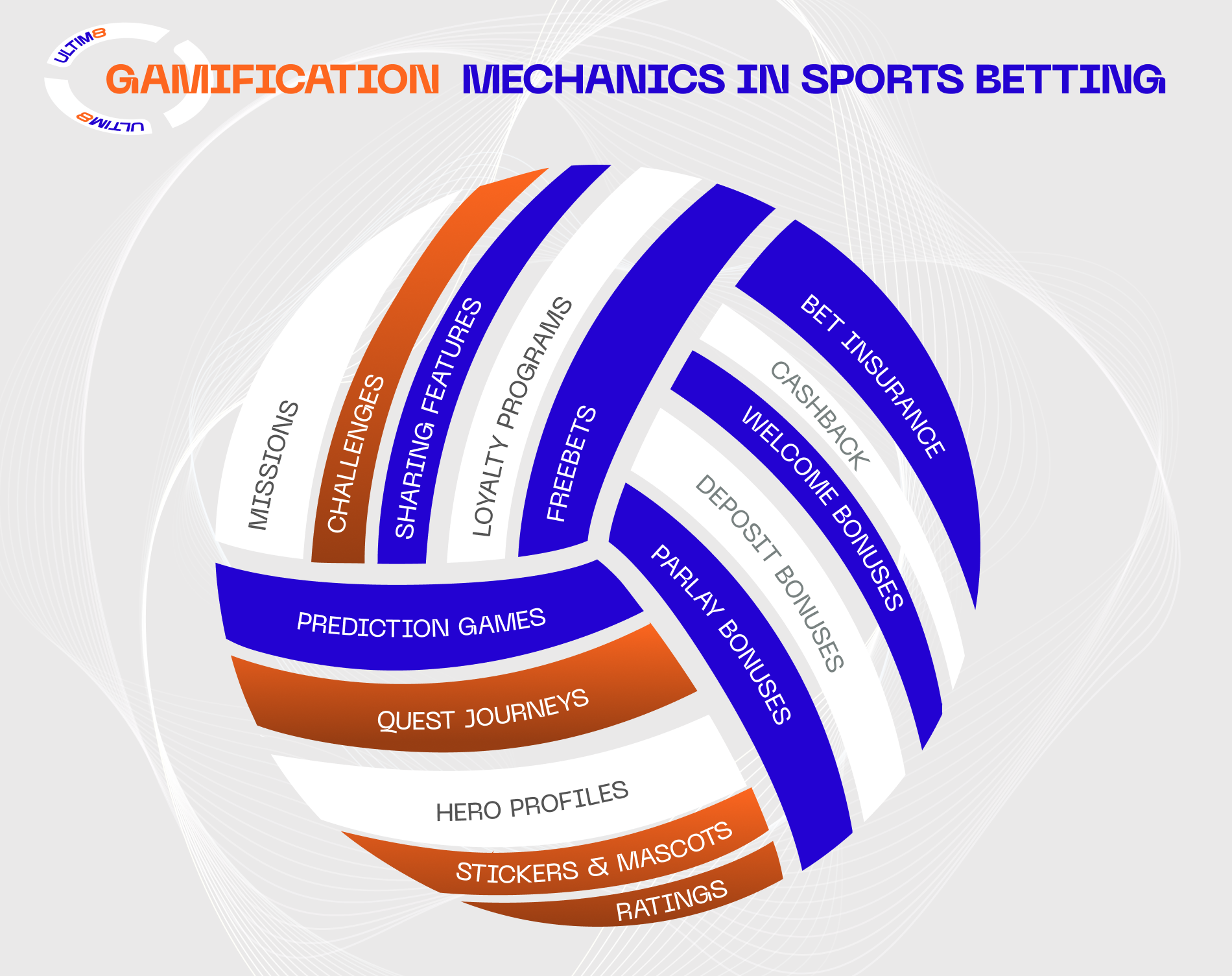
A bonus orchestration engine enables loyalty programs, predictions, ratings, and rewards. These mechanics spark the anticipation of extra profit, making players feel they’re getting a better deal. They keep the experience familiar, yet fresh, and trigger excitement and longer sessions.
But they deliver maximum value only when offered to the right bettor at the right moment. For this reason, a bonus engine usually comes as a part of a CRM system. It uncovers betting motives (whether it’s a desire to win, get adrenaline, or have fun) and helps operators craft personalized journeys for each player.
Smart segmentation is a CRM’s superpower. Together with other CRM tools, it unlocks omnichannel communication tailored to the player’s activity. As a result, users get just what they want, and a sportsbook becomes their go-to app for excitement and thrill.
Segmentation also powers cross-selling. It enables operators to segment players by sportsbook bonus preferences and mirror those mechanics in the casino. Well-known rewards motivate bettors to switch between iGaming products more eagerly.
Component #6: Risk Management Covering Every Bet
Unlike closed casinos, online sports betting platforms operate in an open ecosystem where every bet, score, and market shift unfolds in real time. So do most iGaming frauds. And when they strike, they hit hard. Operators who fail to manage this risk drop out of the game.
That is why robust betting software for bookmakers comes with protection tools. Live odds management, real-time bet monitoring, player profiling, AML/KYC checks, and alert-driven limit controls are vital. They let operators stay vigilant and scale with confidence.
Looking for a sportsbook platform provider?
Read this guide first
Once Advanced, Now Standard: 6 More Must-Have Components
I would also like to draw your attention to the modules that were considered "nice add-ons" some years ago, but are now vital for any modern sports betting product.
Customized Feed
Customized sportsbook feeds give bookmakers the power to shape the product around their vision and target region specifics. It also delivers up-to-the-minute odds across thousands of live sports events, esports, and fantasy matches.
When it comes to price tailoring, reacting to line shifts, or managing bet volumes, the feed flexibility lets operators control these actions on the spot. This results in fewer delays and smarter decisions.
Bet Builder
Bet builders bring extra excitement and personalization to any sportsbook, allowing players to create multi-leg bets within a single event.
This high-interaction betting format goes far beyond standard functionality. But it requires the proper setup: a robust odds engine for correlated markets, real-time risk control, fast settlement, and a user-friendly UI/UX for combo selection. When integrated properly, bet builders increase margins and keep players coming back for more.
Cashout
Bettors always crave control, and the cash-out module ensures it. It lets players settle a bet before the event ends, locking in profit or cutting losses based on live game dynamics.
To become a retention driver, the module must remain stable under heavy traffic and be fully synced with the existing risk engine, odds feed, and frontend. It should also quickly handle pre-match and live bets, single bets, and parlays.
Artificial Intelligence
Integrating AI capabilities is another smart way to upgrade key parts of a sports betting solution, from wager creation and content personalization to player retention and risk control.
| Module | How AI Enhances It |
| Feed | - Analyzes player betting history and behavior
- Deliver data-driven recommendations
- Creates a personalized content feed that adjusts dynamically to current preferences and events
|
| Bonuses/CRM | - Segments players in a more granular way
- Forecasts churn
- Suggests targeted marketing campaigns, bonus activities, and support to increase retention and turnover
|
| Risk & Anti-Fraud | - Detects anomalies in real time
- Flags high-risk users for review
- Enables alerts
- Prevents fraud like bonus abuse, after-goal betting, or chargeback
|
| Bet Builder | - Aligns bet suggestions with player interests and operator constraints (e.g., the number of legs, odds range, preferred sports)
- Increases the chances of higher/multiple bets
|
Analytics, Stats, Tips
Some players need tips, others want relevant stats, but all want to stay confident. The stronger a player’s sense of expertise is, the easier their betting decisions are. Timely pop-ups, personalized analytics and event statistics, intuitive tutorials, quick-access buttons, and other insights that bring clarity fuel betting activity.
This means a platform should have a customizable interface with a stats widget and the flexibility to build logic that leads each player from a platform visit to bet slip creation.
Live Video Streaming
Just like a stats widget, live streaming is not a basic feature. Although it comes as an add-on and is paid on top in most sports betting solutions, I think it’s critical. Thanks to embedded live experiences, players stay immersed in the action without leaving the platform. Seamless integration with Twitch, YouTube, or other services boosts engagement, drives bet frequency, and turns passive viewers into active bettors—all this in real time.
Final Advice
Operators succeed when they know which components drive results and how to evolve them over time. But to pick the right online sportsbook software provider, you need to ask the right questions:
- How long does it take to integrate and deploy the product?
- Are roll-out support specialists provided?
- Which revenue-generating features does a provider offer?
- Can I set my own margins according to league categories?
- What content can I manage on the frontend?
- Can I test different configurations or business models within the platform?
Above all, I’m convinced the platform should be built for engagement. It should be fun, not just functional. That’s what turns one-time users into loyal players.