Since legalization, Brazil has become one of LATAM's most developed online gambling markets. Then came September 2026, and everything changed within days. Renowned brands shut down their websites, payment providers faced pressure, and thousands of bettors moved to unlicensed platforms.
Years of investment and expansion plans were suddenly thrown into uncertainty, leaving dozens of operators wondering what to expect next and where to focus their efforts.
To help you navigate the changes, I've gathered the trends that defined Brazil's betting market shortly before the ban and shared my perspective on how they may evolve.
Disclaimer: The information provided herein serves solely as a general market overview
and does not constitute commercial advice or encourage any specific action. As of October 2026, online fixed-odds betting in Brazil is banned.
TL;DR: Online Sports Betting Market in Brazil
- Brazil's Regulated Betting Market Is Temporarily Closed: Provisional Measure No. 1,394 has prohibited online fixed-odds betting since September 25, 2026;
- Sports Betting Leads in Revenue: The segment accounted for approximately 57% of Brazil's online gambling revenue in 2025 and is projected to remain the largest vertical;
- Brazilian Players Are Young and Budget-Conscious: Most are urban and digitally active, with 54% of surveyed bettors aged 18–34. Around 80% spend no more than USD 20 weekly, and many reinvest part of their winnings;
- Traditional Sports Dominate Betting Preferences: Football leads demand, followed by basketball and volleyball. Local football competitions attract significant attention;
- Alternative Betting Markets Grow in Popularity: Esports, fantasy sports, virtual sports, and non-sports betting generate higher interest in Brazil compared to other Latin American betting markets;
- Bettors Are Familiar with Advanced Mechanics: Many Brazilian players understand odds and betting markets and have experience with Bet Builders, cashout, and live betting;
- Pix Dominated Payments but Now Faces Restrictions: Previously processing an estimated 72% of betting deposits, Pix is now affected by Central Bank Resolution No. 590.
Tendencies Shaping the Brazilian Betting Industry
Brazil's sports betting regulations transformed almost overnight, but player habits and preferences are unlikely to shift as quickly. I've analyzed the industry from different angles to provide a clearer market overview.
Betting Segment Leads in Revenue
Sports betting has long been a major revenue source for Brazil’s online gambling market. In 2025, the segment accounted for approximately 57% of the industry’s USD 3.62 billion revenue.
Recent growth projections looked promising, too. Grand View Research estimated that sports betting revenue would climb from USD 1.19 billion in 2024 to USD 1.87 billion by 2030, with a 7.9% CAGR.
These figures set clear product priorities for Brazil betting technology providers, encouraging them to focus on deep football coverage, competitive odds, live betting, stable platform performance, and risk management.
Popular online casino games brought additional revenue opportunities. Before the gambling ban, Betano, Betnacional, and other leading brands combined both verticals to diversify their offerings and support cross-selling.
Sponsorships Play a Strategic Role
Football partnerships were a major brand-building tool for Brazilian sportsbook operators. By September 2026, 13 of the 20 Série A clubs had betting companies as master sponsors, with annual investment reaching approximately BRL 1.1 billion.
These collaborations gave sportsbooks nationwide visibility and access to loyal football audiences. The biggest deal belonged to Betano, which paid Flamengo ~USD 53 million annually. For Flamengo, Corinthians, and São Paulo, individual betting sponsorship agreements accounted for more than 10% of club revenue.
| Brazilian Serie A Clubs | Betting Sponsor | Annual Contract |
| Flamengo | Betano | ~ USD 53 million |
| São Paulo | Superbet | ~ USD 22 million |
| Corinthians | Esportes da Sorte | ~ USD 20 million |
| Palmeiras | Sportingbet | ~ USD 20 million |
| Atlético-MG | H2bet | ~ USD 12 million |
| Botafogo | Vbet | ~ USD 11 million |
| Fluminense | Superbet | ~ USD 10 million |
| Vitória | 7K | ~ USD 3 million |
| Santos | Novibet | — |
| Vasco | SportingBet | — |
| Chapecoense | Zero Um | — |
| Cruzeiro | Betnacional | — |
| Remo | VeidaBet | — |
Source: O Globo (September 2026)
Football clubs also became allies of operators in the industry's legal response after the prohibition took effect. While the National Association of Games and Lotteries (ANJL) challenged the ban, other industry groups sought intervention from the Supreme Court, with support from 21 football clubs.
Players Live on Social Media
Brazil has around 150 million social media users, giving betting brands plenty of opportunities to acquire traffic and build brand visibility.
According to Blask Analytics, social media remains a gambling touchpoint for 60% of Brazilian audiences, followed by YouTube and online advertising. Before the ban, WhatsApp, Instagram, Facebook, and YouTube helped sportsbooks attract players through football-related content, influencer partnerships, and targeted digital campaigns. Messaging apps also supported direct player communication and retention.
Gambling Brand Touchpoints in Brazil (Source: Blask)
Between September 25 and October 9, Brazilian authorities identified 16,627 illegal betting websites and 3,691 related pages, profiles, groups, and servers across Telegram, TikTok, WhatsApp, and Discord.
For now, bettors in Brazil remain highly engaged, but unlicensed operators face major restrictions on user acquisition and communication.
Betting Budgets Remain Modest
The Brazilian betting audience is young, lives in cities, has jobs, and prefers small but regular bets. Blask analytics suggests that players aged 18–34 account for 54% of surveyed bettors, while 60% are employed or self-employed.
Brazil has a population of around 213 million, with 91.7% living in urban areas. Rio de Janeiro, Belo Horizonte, Recife, Fortaleza, and Salvador are the largest regions that were once key priorities for player targeting.
Affordability matters. With an average monthly net salary of USD 540, Brazilian bettors tend to allocate relatively modest budgets for gambling.
Around 80% of gamblers surveyed by ENV MEDIA spent no more than USD 20 per week. Half of the surveyed sports bettors placed bets weekly, while 21% did so daily. Meanwhile, 75% reinvested part of their winnings into further bets.
These habits shaped betting products around low minimum stakes, mobile-friendly interfaces, and reliable payment processing. Responsible gambling used to be part of many products and impacted Brazilian betting behavior, with 50% of non-problem gamblers and 25% as low-risk.
At the same time, a Datafolha survey, following Brazil’s betting regulation news, asked 2,506 people across 152 municipalities and found that 78% supported banning online betting and casinos, compared with 18% opposed and 4% undecided.
This reminds us that strong betting demand doesn't always mean broad public support for iGaming. If the Brazilian gambling market reopens, players will likely expect spending limits, risk protection, and other responsible gambling tools within betting apps.
Mobile Prevails, Web Stays Important
Mobile dominates Brazil’s digital market, accounting for 62.92% of web traffic, compared with 36.05% for desktop in September 2026. In terms of gambling revenue, online remains the largest segment.
With 86.9% internet penetration and Android leading iOS, many local digital service providers prioritize mobile-first design, Android compatibility, and simplified onboarding.
Brazil’s median mobile download speed of 239.43 Mbps creates conditions for live and micro-betting, as well as real-time odds updates. However, connectivity is uneven, especially outside urban areas.
That's why Bet365, Superbet, Esportes da Sorte, and other top brands used to adapt their platforms for both desktop and mobile, focusing on lightweight interfaces and reliable bet processing.
Bettors Expect Portuguese
With over 205 million Portuguese speakers, Brazil demanded more than basic sportsbook translation. Players expected Brazilian Portuguese throughout registration, betting markets, promotions, and customer support. Poor localization could easily undermine trust and affect deposit flows.
Before the ban, Ordinance No. 1,231 required Brazilian Portuguese for terms and conditions and affiliate agreements, while Ordinance No. 827 mandated Brazil-based, 24/7 platform support in Portuguese.
Considering this, dedicated localization teams will likely remain essential for player acquisition, retention, and compliance if the market reopens.
Football, Basketball, and Volleyball Attract the Most Interest
Traditional sports dominate Brazil's betting preferences.
Popular Sports for Betting in Brazil (Source: ENV MEDIA)
Local competitions drive most attention. The Brasileirão Série A, Copa do Brasil, Copa Libertadores, and state championships attract considerable interest. Players also look for markets beyond match winners, wagering on total goals, corners, cards, and individual player performance.
International football has its own patterns. The Brazilian sports betting audience shows greater interest in Italy's Serie A and Spain's La Liga than in the English Premier League. That's why operators used to adapt league rankings and betting markets to local preferences rather than copying European sportsbook layouts.
Basketball and volleyball are also popular among Brazilians, particularly the NBA, Brazil's NBB basketball league, and Superliga. Tennis, UFC, and motorsports support betting activity year-round, while the NFL attracts viewers during quieter periods in the domestic football calendar.
That's why sportsbooks in Brazil used to offer a wide range of football betting markets, covering both domestic and international competitions.
Betting Goes Beyond Traditional Sports
According to Blask Analytics, esports attract 40% of Brazilian bettors, while virtual sports and fantasy sports each appeal to 30%. Another 20% express interest in non-sports betting.
These preferences helped operators diversify their sportsbooks. Brazil's esports markets supported both pre-match and live. Virtual sports introduced a casino-style experience, while fantasy sports allowed bettors to build teams and track player statistics.
Bet Builder, Cashout, and Stats Fit Local Behavior
Brazilians are familiar with different sportsbook mechanics and demonstrate rather mature betting behavior.
According to ENV MEDIA data, 47% report having a good or even perfect understanding of odds, and many know the meaning of Handicap, Over/Under, Moneyline, and other terms.
Pre-match betting remains popular: 51% prefer it, while 34% combine it with live betting, and another 15% bet exclusively in-play.
Brazilians are open to advanced mechanics. Around 70% of surveyed bettors understand accumulators, suggesting potential demand for Bet Builder. Meanwhile, 57% have already used cashout, which is why many local sportsbooks used to offer this feature.
Besides, players often research odds and match performance before placing bets, looking for clear market descriptions and accessible statistics.
Information Sources for Online Betting in Brazil (Source: ENV MEDIA)
Pix Dominates, Crypto Matters as Well
Previously, Brazil’s gambling regulation law permitted TED transfers, debit cards, and Pix, which processed an estimated 72% of betting deposits. Credit cards, cash, boletos, and cryptocurrencies were prohibited. Deposits and withdrawals had to originate from accounts registered in the bettor’s name to strengthen fraud prevention.
Brazil's betting ban disrupted payment operations. Central Bank Resolution No. 590 required financial institutions and payment providers to block betting-related transactions, except those necessary for the closure of operations and player refunds.
At the same time, the volatility of the reais made Brazil the largest crypto economy in LATAM, with an estimated value of USD 252.5 billion. Brazilians actively use Bitcoin, Solana, Ethereum, and other currencies in daily life. Moreover, research from 2025 by Instituto Locomotiva found that Brazilian betting payment preferences included cryptoassets, despite regulatory prohibitions.
This all raises concerns that continued betting restrictions and pressure on payment providers could push more players toward unauthorized betting websites that accept cryptocurrencies.
THE BRAZILIAN BETTING MARKET IS CHANGING.
SEE HOW THIS AFFECTS OPERATORS
Brazil Among LATAM Betting Markets
To help you better understand where Brazil stands today in terms of player preferences and operating conditions, I've compared it with five alternative betting markets in Latin America.
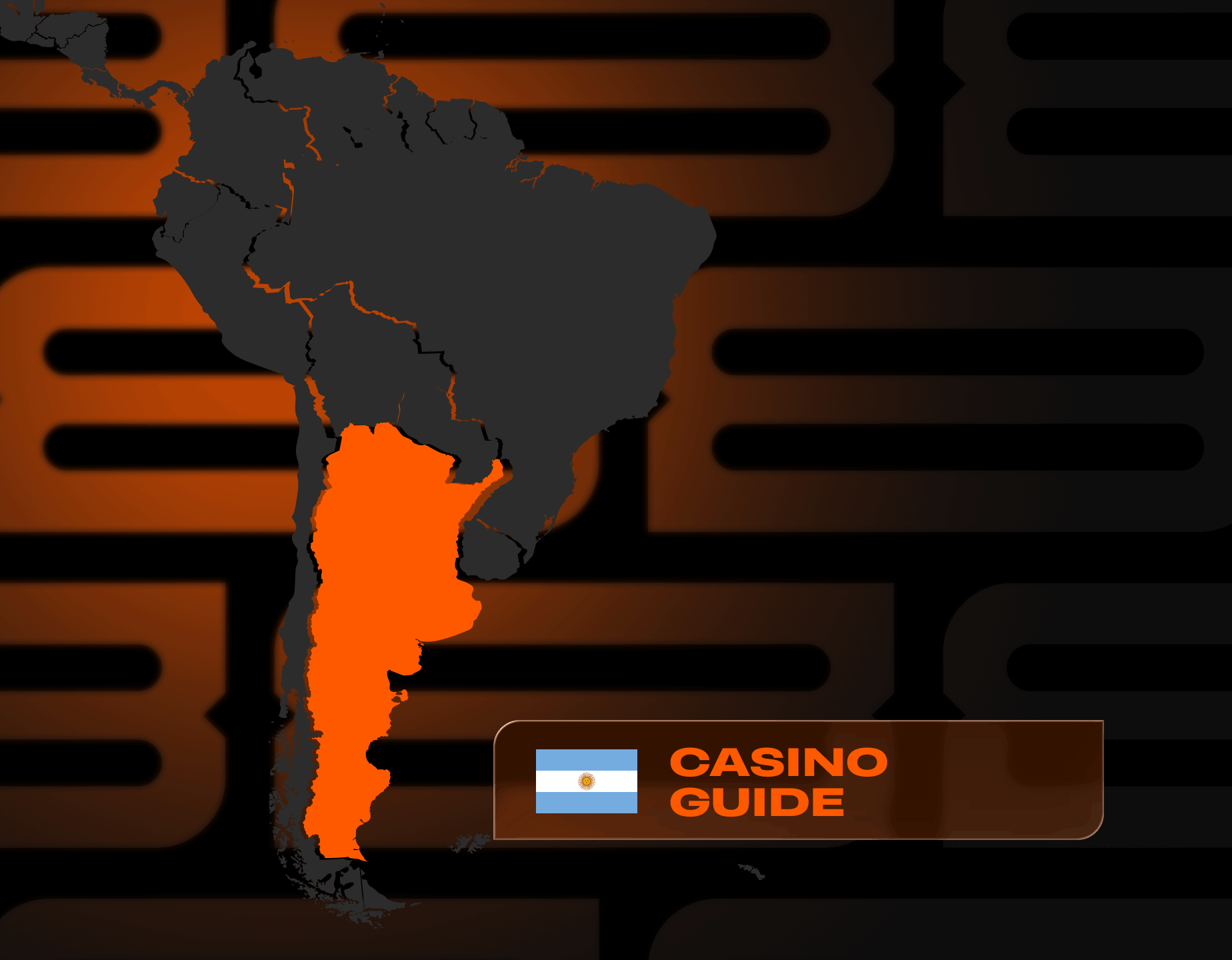
Argentina
Argentina’s betting market is regulated at the provincial level, so licensing requirements, permitted products, and operating conditions vary by 24 jurisdictions.
Casinos generate the largest share of gambling revenue, while sportsbooks help attract football fans and support cross-selling between verticals.
Football dominates betting preferences in both countries. However, Argentine sportsbooks focus on Primera División, the Boca Juniors–River Plate Superclásico, and locally popular betting pools. Rugby and horse racing also attract bettors.
In terms of payments, Argentina relies on a broader mix of Mercado Pago, MODO, Naranja X, and other wallets, as well as traditional bank transfers, cards, and crypto.
Chile
Chile shares Brazil's football culture and mobile-first betting habits, but its gambling market is more casino-oriented. Sportsbooks primarily support acquisition, while casinos generate most of the revenue.
Football leads the preferences, followed by tennis and basketball. Compared with Brazil, Chile shows much lower interest in virtual sports and bets on politics. Bettors favor single bets, and features like Bet Builder and live streaming are considered advanced in Chile and are not yet common.
When choosing a betting platform, users prioritize security, familiar payment options (e.g., Webpay, MACH, and Tenpo), and bonuses.
The online betting market in Chile is currently unregulated, while Bill No. 14,838 proposes a licensing framework.
LATAM Sports Betting Preferences (Source: Blask)
Peru
Peru offers a nationally regulated betting market, with six-year licenses issued by MINCETUR. Operators can launch sportsbooks and online casinos under an established licensing framework.
Football attracts the greatest attention, followed by basketball, volleyball, surfing, and tennis. Fantasy sports and non-sports betting generate less interest than in Brazil.
Peruvian bettors have a good understanding of live betting: 82% favor in-play wagering, while 87% follow the events they bet on. This makes real-time odds, match statistics, and infrastructure stability essential for sportsbooks.
Betting at physical venues remains popular in Peru. Local payments, particularly Yape, Plin, PagoEfectivo, and debit cards, strengthen player trust.
Colombia
Colombia has an established national licensing framework under Coljuegos. One license covers sportsbooks, online casinos, poker, and other authorized gambling products, simplifying multi-vertical operations.
Traditional sports attract 72% of surveyed bettors, slightly more than in Brazil. Around 85% bet on football, particularly Liga BetPlay and national team matches. Cycling, baseball, and boxing also attract local audiences.
Colombian bettors pay close attention to competitive odds and rewards. Fantasy sports and non-sports betting also attract interest, creating opportunities to diversify betting products.
Local payments matter, too. Nequi, DaviPlata, and Bre-B are familiar options, alongside bank cards and account-to-account transfers.
LATAM Payment Methods (Source: Worldpay)
Mexico
Mexico operates under a federal betting permit system supervised by SEGOB. Its sports betting market was valued at USD 1.68 billion in 2025, with the online segment accounting for 78%.
Beyond Liga MX and other football events, the NFL, baseball, boxing, and horse racing capture betting attention. Compared with Brazil, Mexican bettors show less interest in esports, fantasy sports, and virtual sports.
Fixed-odds betting accounts for 41% of the market, while live betting is growing fast.
Unlike the Brazilian payment infrastructure, the Mexican one still relies on cash payments, with OXXO and 7-Eleven supporting deposits alongside cards and digital wallets. Mobile web traffic reaches 75%. This makes mobile-first design and localized payment flows particularly relevant for player engagement.
Final Thoughts
Brazil has long been Latin America's largest betting market, with a well-established gambling culture. Given local demand, there is a high chance the market will continue to grow despite regulatory pressure.
At the same time, Brazil impacts the entire region, and any shifts there can trigger consequences far beyond its borders.
So, whether you operate in Argentina, Peru, Colombia, or elsewhere in the region, it's worth keeping an eye on Brazil’s sports betting regulation updates. This will help you anticipate potential business risks, create more reliable expansion strategies, and build products to win in local markets.