As we continue to test Lady Luck at every turn—from crossing streets to casting votes—iGaming operators face a similar challenge: navigating a vast selection of game providers, each promising to cater to every taste and business strategy. However, the worst thing one can do to succeed in selecting the game provider is to make the process a gamble.
In this article, we discussed who qualifies as an online casino game provider and explored the types of games modern platforms must offer. You’ll also learn how games are integrated into operators’ platforms and discover the key indicators to look for when selecting a partner.
Who We Consider as Online Casino Game Providers
Online casino game providers are companies that design, develop, and deliver the software that powers the games featured on online gambling platforms. Game providers develop games and ensure their products work well on casino platforms and different devices. Additionally, they ensure their games meet licensing and regulatory standards.
iGaming platform’s game portfolio is the backbone of its value to players. To captivate your audience, you need games with high-quality visuals, engaging soundtracks, and innovative gameplay mechanics. Additionally, localization options—such as multi-language support or culturally relevant themes—can help you connect with both global and regional audiences.
Game Categories Offered by Modern Casino Game Providers
The game portfolio becomes a decisive factor when online casino operators evaluate providers. We’ve compiled a list of game categories offered by modern providers to help you understand the breadth and depth of content available in today’s market, but you’re not obligated to follow it rigidly when building your roster. However, having a grasp of what’s available will guide your strategy.
Live Dealer Games
Live casino game providers are blending the convenience of online gambling with the authenticity of traditional casinos. Originating in the early 2000s with the spread of streaming, live dealer games offer real-time interaction with dealers, bringing classics like blackjack, roulette, and baccarat to players’ screens. Game shows like “Crazy Time Live” have further broadened their appeal.
Operators benefit from longer session durations, higher player loyalty, and the ability to attract traditional casino enthusiasts. Although integrating live dealer games demands technical investment and licensing, their revenue potential and competitive edge make them essential for both live casino providers and casinos themselves.
Crash Games
Crash games offer a blend of simplicity and excitement. Originating from cryptocurrency platforms, these games have rapidly gained popularity, with Aviator alone attracting over 10 million monthly players. The genre's appeal lies in its real-time, multiplier-based gameplay where players must cash out before they “crash.” This format resonates with millennials and Gen Z, particularly those aged 24-35.
For operators, crash games represent an opportunity to diversify offerings and attract a younger audience. The genre's growth is evident, with a 450% increase in unique user share within 10 months.
Thundercrash is an exciting crash gambling game. Players set a wager and watch a jet fly higher, with the multiplier increasing as the jet continues its flight—the goal is to cash out before the jet explodes, which would result in losing the bet.
Slot Games
Slot games, the digital descendants of traditional one-armed bandits, have evolved into a cornerstone of online casino slot software offerings. Slot games are particularly attractive to younger demographics, with 70% of online gamblers in Canada aged 18-39. For operators, slots offer high profitability and player retention through their diverse themes and frequent releases. However, it's crucial to balance the appeal to younger audiences with features that attract the 55+ age group, who currently generate over 70% of slot revenues.
One of many good examples is Book of Dead by Play 'n GO, an Egyptian-themed slot game with high excitement. The free spins bonus game features a Sacred Chamber round with 10 free spins and random expanding symbols, and players can win up to 250,000 coins.
Megaways
Megaways slots have become a cornerstone of online casino offerings. Developed initially by BTG (Big Time Gaming) under Evolution Group, Megaways technology introduces a random reel modifier that changes the number of symbols on each reel with every spin. Widely licensed to various game producers, Megaways has seen remarkable adoption globally. Regional insights show variations in their availability; for instance, operators in Sweden average 167 Megaways games, while Spain offers around 67. Such regional differences highlight localized market trends and player preferences.
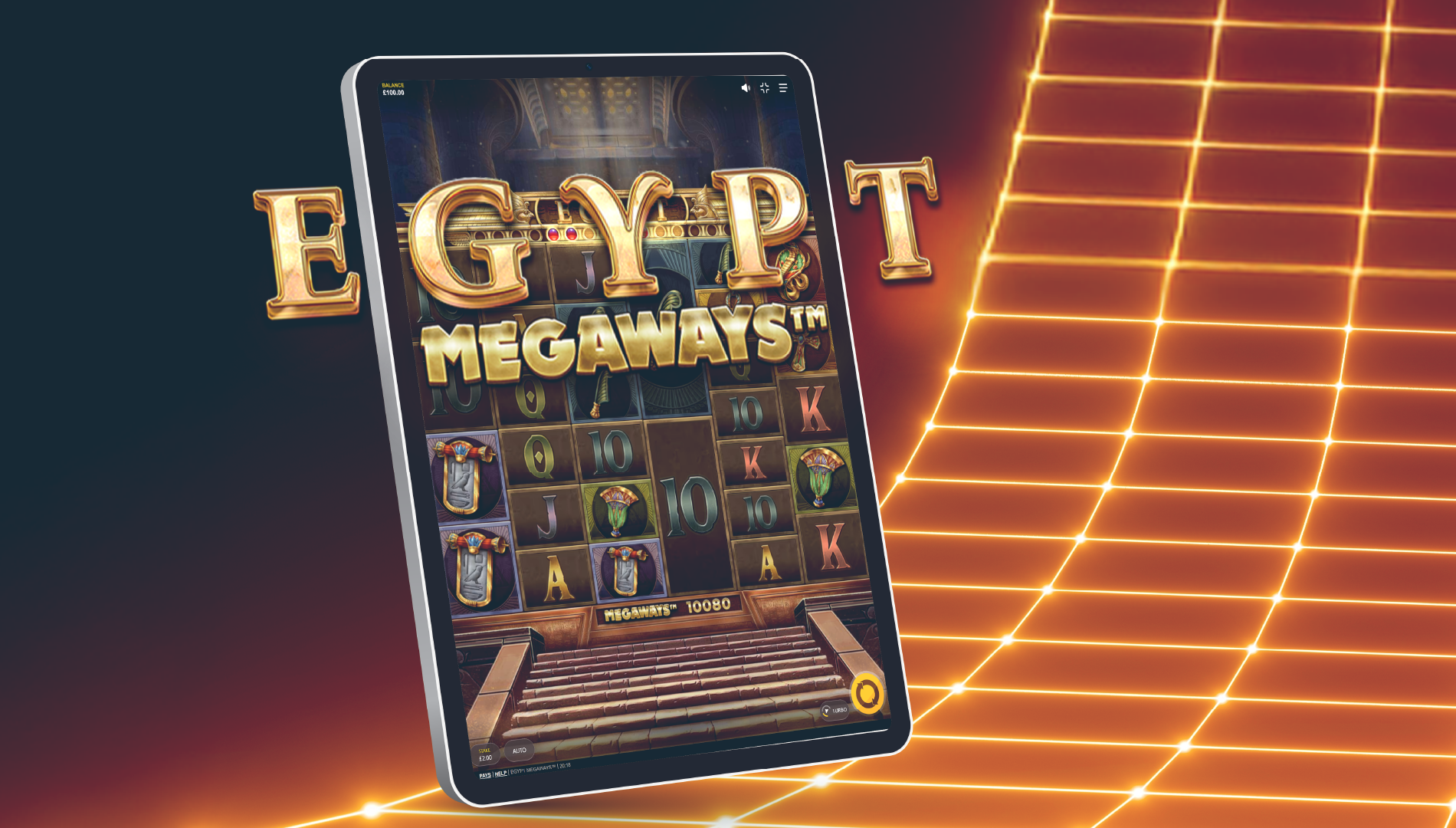
Here’s a cool example for you. Egypt MegawaysTM is developed by Red Tiger Gaming and distributed by Evolution. Released on May 25, 2023, this game transports players to the mystical world of ancient Egypt. The game features a 6-reel, 7-row grid with up to 117,649 ways to win, thanks to the Megaways mechanic. Players can bet between €0.20 and €2 per spin. Egypt MegawaysTM boasts an RTP of 95.71% and high volatility, offering the potential for substantial wins up to 34,104x the bet.
Skill-Based Games
Skill-based games are a category where player outcomes hinge on skill rather than pure chance. These games, including poker, blackjack, and skill-based slots, reward strategic thinking, precision, and expertise, creating an engaging alternative to traditional luck-based gaming.
The global skill gaming market is booming, valued at $40.12 billion in 2024, and projected to grow at a 13.1% CAGR to $198.78 billion by 2037, driven by mobile gaming and increasing player demand for interactive experiences. North America leads in this category with a 33% market share, while Asia Pacific holds 27%.
Video Poker is an example of a skill-based casino game. Players strategically choose which cards to keep and discard from an initial five-card draw, aiming to create the highest-ranking poker hand possible while understanding probabilities and paytable strategies.
Instant Games
Quick, no-download-required games that offer instant gratification, including scratch cards, lottery-style games, crash games, penalty shoot-out games, browser-based versions of roulette and baccarat, and simple betting games.
The obvious winning point for instant games is that they offer players immediate access. This growing category is projected to reach US$ 6.58 billion by 2031, with a robust CAGR of 13.4% from 2024 to 2031. Once again, North America and Asia-Pacific lead in market share, with Europe showing significant growth potential. Instant Games appeal to a diverse demographic, particularly millennials and Gen Z players seeking quick experiences.
Mobile compatibility and social integration features drive the category's success, making it ideal for cross-platform strategies.
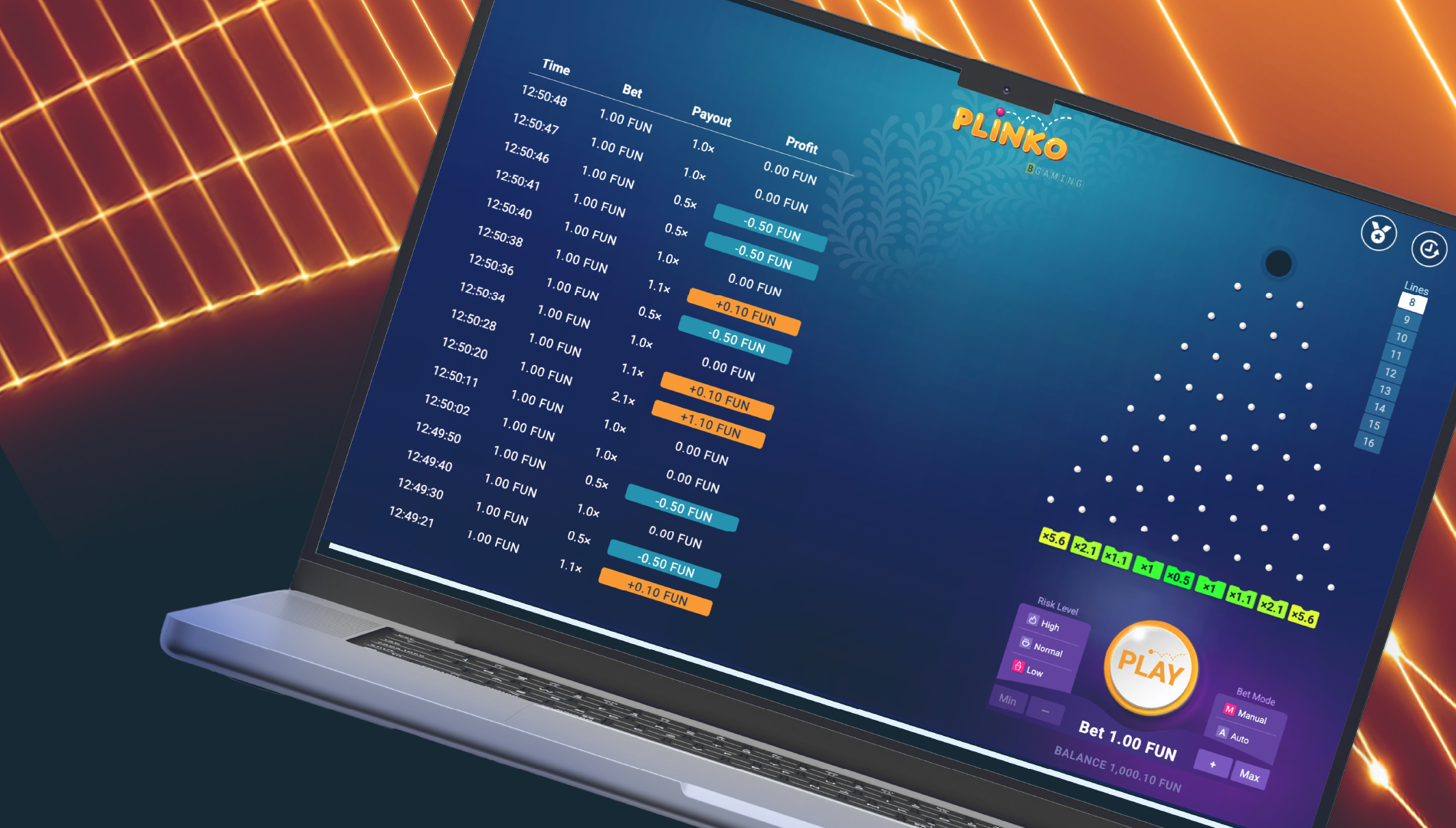
Plinko is an exciting instant casino game where players drop balls down a pegged board, with the final landing position determining the prize. In this game, players can adjust the game board and volatility, and it features an impressive 97%+ Return to Player (RTP).
Virtual Sports
This category simulates real-world sports events using advanced algorithms and graphics, providing non-stop action. The global virtual sports market is projected to reach USD 92.12 billion by 2034, growing at a CAGR of 17%. North America dominates the market by far, with the U.S. segment expected to hit USD 18.48 billion by 2034.
Virtual sports help operators engage tech-savvy bettors and sports fans, particularly during off-seasons or between live events. The category appeals to a diverse demographic, from casual players seeking quick thrills to serious bettors analyzing virtual statistics.
Integration requires robust casino gaming software and may necessitate specific licensing, but the potential for consistent revenue streams and increased player retention makes virtual sports an attractive addition to any online casino portfolio.
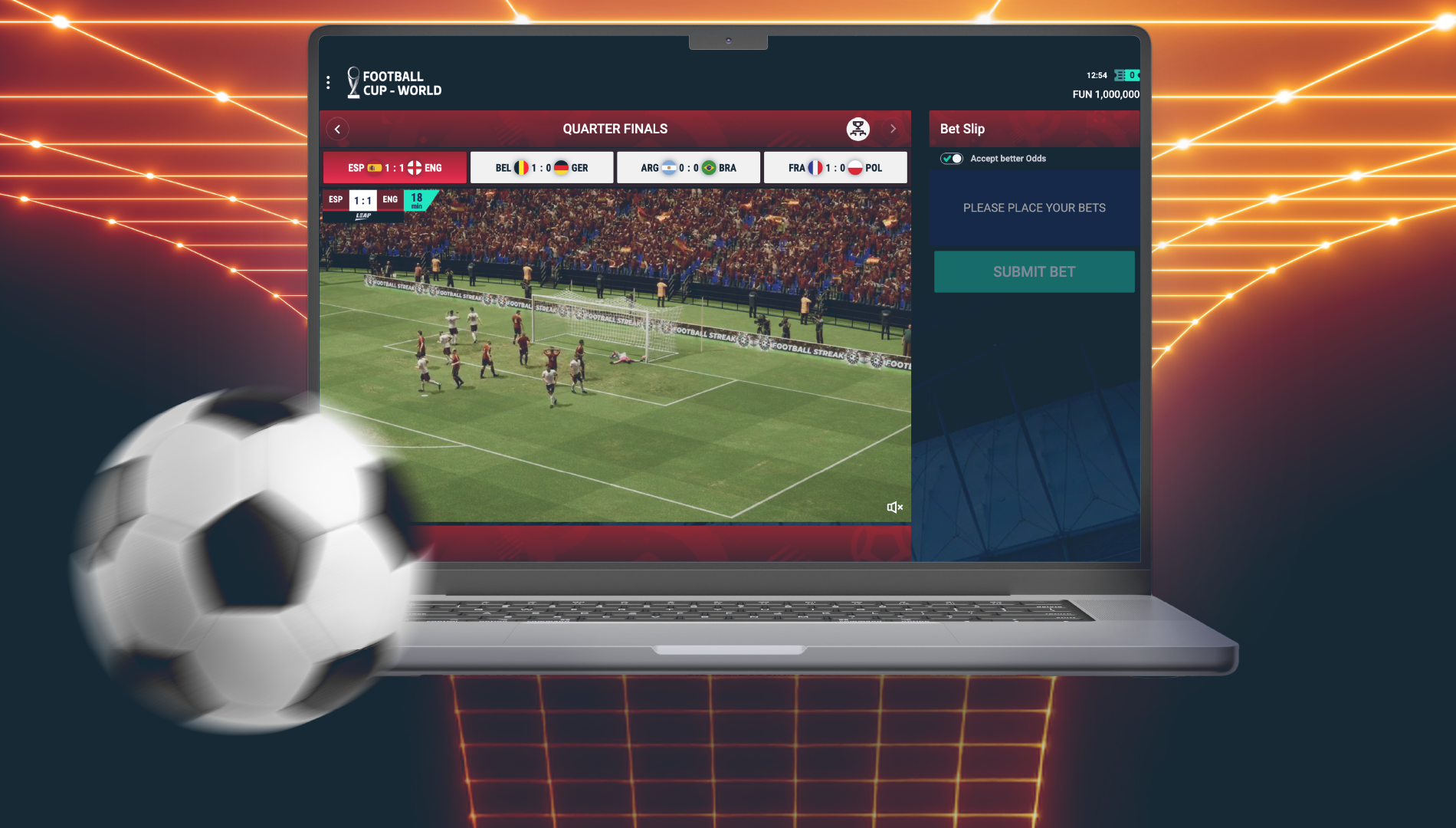
Virtual Soccer is a good example of a digital sports simulation that captures the essence of football. Players can bet on matches featuring computer-generated players with lifelike movements and dynamic strategies, such as Leap Gaming's "Football Cup – World" which offers traditional betting options like win-draw-win, over/under goals, and correct score predictions.
Table Games
Table games are the cornerstone of online casino gaming, pushing your skill higher in a social setting. This category includes classics like blackjack, roulette, and baccarat, which have transitioned seamlessly to online casino gaming platforms. In Europe, table games account for 20% of online casino revenue, while in Asia, they dominate with a 45% market share. The global online table games market is projected to reach $18.48 billion by 2025, growing at a CAGR of 16.7%.
Table games offer high engagement and retention rates, appealing to both casual players and high rollers. They attract a diverse demographic, with 60% of players being male and an increasing female participation, now at 40%. The 25-44 age group dominates, particularly in Europe.
Roulette is a good example. There are many variants of roulette games out there (and we do mean tons — European, American, Pinball, mini and so on), but the basic concept is that players bet on where a spinning ball will land on a numbered wheel. Players can place inside bets on specific numbers or outside bets on broader categories like red/black or even/odd.
Specialty Games
Specialty games diverged from traditional table games and slots with their simple, luck-based mechanics and quick results. This category has gained significant traction, particularly in North America and Asia Pacific. The global specialty games market, valued at $9.52 billion in 2023, is projected to reach $15.82 billion by 2032, growing at a 5.8% CAGR.
These games provide an option for portfolio diversification. In Canada, specialty games have surged in popularity in both physical and online casinos. The category's appeal lies in its accessibility on iOS and Android devices, which ticks all the boxes for sophisticated players on the go.
Keno works well as an example. It’s a lottery-style game in which players select numbers and can win cash prizes based on how many of their chosen numbers match the randomly drawn numbers.
Integration of Games into Operators’ Platforms
API-based integration is the most flexible method: operators gain direct access to game libraries, enabling them to curate game selections and optimize the user experience. This approach is beneficial for owner-operators or enterprises with in-house tech teams to connect games with the platform’s infrastructure.
Additionally, APIs allow operators to integrate features, such as bonus systems, player tracking tools, and cross-platform compatibility, providing control over the platform’s performance. However, the technical complexity and time investment make this solution better suited for operators who have the resources and capability to manage ongoing maintenance and updates.
White-Label Solutions
White-label solutions provide a ready-to-use platform that operators can license and brand as their own. These solutions make the integration process easier by offering pre-built platforms with tools like game libraries, back-office systems, and customer support. They are designed for new businesses, so operators don’t need additional investments in tech teams. This allows them to focus on marketing and expanding their customer base rather than being concerned with the development of the platform. As a result, white-label integrations are particularly popular among startups and smaller operators.
Turnkey Platforms
Turnkey platforms provide a ready-to-launch solution, bundling everything from software and game content to payment processing and regulatory compliance tools. These platforms are designed for operators seeking a fast and reliable entry into the market without the need for significant customization or development.
Turnkey platforms handle critical elements like licensing, security protocols, and customer management, ensuring operators can focus on their business strategies and customer engagement.
While this method sacrifices some flexibility in terms of platform design and feature customization, it offers convenience for operators who prioritize speed and operational stability. Turnkey solutions are particularly appealing to mid-sized operators or businesses expanding into new markets, where efficiency and minimal risk are paramount.
What to Consider When Choosing a Provider
Selecting the right game provider demands a nuanced approach, as providers often tailor their terms and offerings to suit the unique needs of each operator. These terms depend heavily on factors such as your business strategy, target geography, operational turnover, and growth potential. So, here we go:
Portfolio
The game portfolio is a decisive factor when online casino operators evaluate online casino game providers. The game selection attracts and retains players drawn to diverse, high-quality content tailored to their tastes. However, it’s also crucial to remember that those tastes vary in different regions. If you plan to operate in multiple countries, you must build the widest possible portfolio to satisfy the broadest audience. The broader and more dynamic the catalog, the better positioned the operator is to meet the demands of their audience.
Key Engagement Tools
Selecting a provider hinges based on its promotional arsenal. Gamification elements like quests and tournaments transform passive play into immersive adventures, harnessing competitive energy with real-time leaderboards and jackpot widgets. These tools are necessary for social interaction and a sense of shared excitement while VIP-focused features deliver exclusivity and rewards to high-value players. The right combination of these tools drives long-term success for casino gaming platforms seeking sustained growth:
- Bonus and promotion campaigns: Deposit bonuses, free spins, and cashbacks tailored to user segments.
- Gamification features: Quests, leaderboards, and achievements that deepen engagement.
- Content marketing support: Game trailers, visuals, and strategic guidance for multi-channel promotion.
- In-game advertising: Real-time messages integrated with gameplay.
- Analytics and reporting tools: Insights for performance tracking and targeting.
But we can’t underestimate CRM's role here. By analyzing user data and segmenting audiences, operators can better target their offers. Personalized odds, adjusted margins, and region-specific promotions are just a few examples of how CRM integration elevates the player experience.
For example, operators can design promotions to encourage players to explore new games or engage more frequently during off-peak periods, tailoring offers to individual preferences. High-quality CRM solutions help operators convert sign-ups into loyal players, but also provide tools to optimize promotions for sustained engagement and maximizing player lifetime value:
- Sign-up bonuses: Attract new players with enticing offers upon registration.
- Personalized recommendations: Suggest bonuses and promotions based on individual player activity and preferences.
- Loyalty programs: Reward loyal players with exclusive bonuses and benefits.
- Targeted communications: Engage players with personalized messages through email, SMS, or in-platform banners.
Well-designed games paired with a coordinated CRM strategy can engage players by delivering targeted, resonating bonuses and promotions. Conversely, integrating poorly calculated bonuses will lead to revenue losses or fraud.
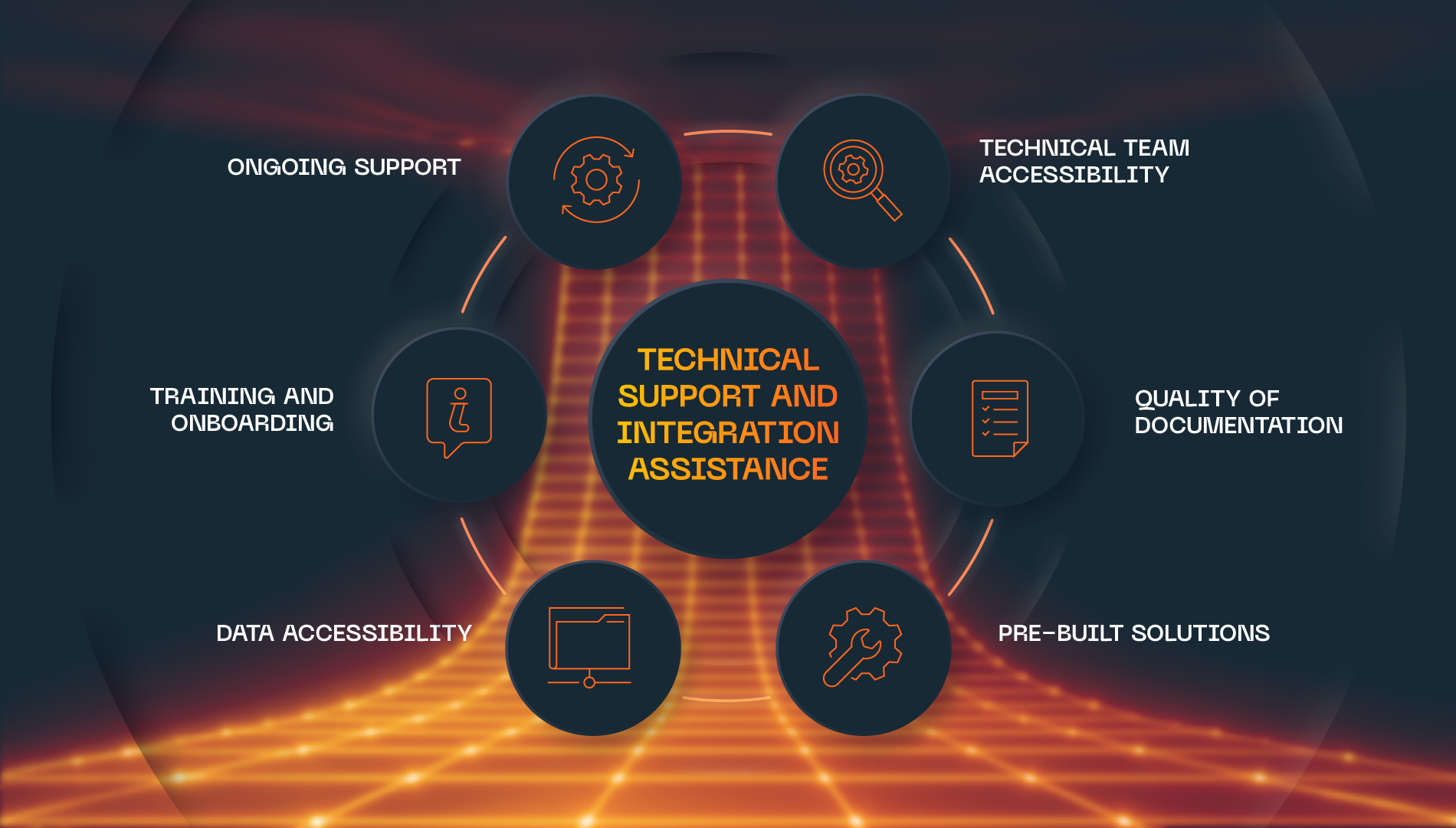
Support and Integration Assistance
Resolving issues quickly, offering assistance at any hour, and having software compatible are must-haves for preventing downtime and revenue losses. Smart tech integration is becoming the standard, so any provider that omits these technologies risks obsolescence. Update delays and security vulnerabilities do more damage than a thousand marketing misfires.
Responsiveness in real time helps operators anticipate player demands, regulatory changes, and industry twists. Operators report that technical backup can cut response times by 40%, safeguarding revenue streams while timely fixes sustain trust. If you want to maintain loyalty and stay profitable, it pays to prioritize providers that handle technical support and treat integration challenges as routine tasks.
Cost and Revenue-Sharing Models
Evaluating a games provider requires a clear grasp of costs and revenue-sharing arrangements, balancing cost-effectiveness with equitable distribution. The most common approach in iGaming is the revenue share model, where providers typically receive 10–30% of the net revenue generated by their games. But let's have a brief overview of different models:
| Cost and Revenue-Sharing Models | Description | Benefits | Drawbacks |
| Revenue Share Model | Partners share a percentage of the revenue generated by a game or platform. | Aligns incentives between partners. Potential for high earnings with successful games. Scalable as revenue grows. | Unpredictable income. Requires complex tracking and reporting. Partners share profits and losses. |
| Fixed Fee Licensing | Developers receive a one-time or recurring fixed fee for their game or tech. | Predictable income for developers. Simplifies accounting and reporting. Reduces risk for developers. | Limited upside potential. May undervalue highly successful games. Less incentive for ongoing updates. |
| Per Active User Model | Fees are based on the number of active users or players. | Scales with player engagement. Encourages focus on user retention. More predictable than pure revenue share. | May not reflect the actual revenue generated. Affected by inactive or low-value users. Requires accurate tracking. |
| Hybrid Models | Combines elements of different models (e.g., base fee + revenue share). | Balances guaranteed income with upside potential. Tailored to partnerships. Mitigates risks for both parties. | More complex to negotiate/manage. Requires frequent adjustments. Can lead to disputes over terms. |
| White Label Solutions | Providers offer complete gaming platforms that operators can brand as their own. | Quick market entry for operators. Reduced development costs. Access to established technology and games. | High revenue share (up to 30%), limited customization options, and dependence on the provider’s platform. |
| Game Development Agreements | Custom arrangements between developers and publishers for specific games. | Tailored to specific games and markets. May include milestone payments and royalties. Allows for risk-sharing. | Complex negotiations. May limit the developer’s creative control. Can lead to conflicts over the game's direction. |
| Free-to-Play Model | Games are free, with revenue from in-game purchases or advertisements. | Large potential user base. Ongoing revenue stream. Allows for data-driven optimization. | Requires a balance of free and paid content. May alienate players with aggressive monetization. Unpredictable revenue patterns. |
Additional Considerations
Game providers and platforms often negotiate custom agreements. Some contracts include minimum guarantees, ensuring game providers receive fixed monthly or annual payments regardless of a game’s performance. Integration costs, which are typically borne by operators to incorporate a provider’s games into their platforms, can influence the agreed revenue-sharing percentages.
Marketing and promotion responsibilities also play a crucial role; for instance, if an operator commits significant resources to promote a provider’s games, they may negotiate a larger share of the profits. As a rule, both parties share compliance and licensing responsibilities, ensuring games meet regulatory requirements — a factor that can impact cost structures. Many partnerships also adopt hybrid models, combining fixed fees and revenue sharing. These might include an initial setup fee paired with a reduced revenue share percentage or a base revenue share supplemented by performance-based bonuses for games that exceed certain thresholds. Ultimately, how profits are divided depends on the specifics of the collaboration and the balance of risk and investment between the provider and the platform.
Performance Metrics
Below is a concise list of key operational and technical performance metrics with a brief description to help you quickly assess their relevance and application:
Win Rate: The percentage of wagers the operator retains as revenue (i.e., total bets minus payouts).
RTP (Return to Player): The theoretical percentage of total wagers returned to players over time (e.g., an RTP of 95% means players receive back $95 for every $100 wagered on average).
GGR (Gross Gaming Revenue): Total bets minus total winnings paid out to players, before any other deductions.
RGR (Real Gaming Revenue or Net Gaming Revenue): GGR minus additional costs such as bonuses, taxes, or other operational expenses, giving a clearer view of actual profit.
Average Player Spends: The average amount each active player spends on bets or deposits within a specified timeframe (e.g., per day, week, or month). This helps in understanding overall player investment and revenue contributions.
Average Session Length: The average duration of a single gaming session per player. Longer sessions can indicate higher engagement and satisfaction levels.
Churn Rate: The percentage of players who stop using the platform over a given period. Tracking churn helps identify issues with retention and user satisfaction.
Player Retention Rate: The percentage of players who continue playing over a specific timeframe. It measures the percentage of players who continue to interact with a game or platform after a specific period, such as Day 1, Day 7, or Day 30, from their first interaction. This metric provides insights into player satisfaction, loyalty, and the overall quality of the gaming experience.
Conversion Rates: The percentage of visitors who complete a desired action, such as registration or deposit. Commonly tracked conversions include:
- Visit to Registration: Percentage of site visitors who sign up.
- Registration to Deposit: Percentage of registered users who make a first deposit.
Lifetime Value (LTV) refers to the monetary value that a player generates for a game or gaming business over the course of their relationship, taking into account factors such as player spending, engagement level, and retention rate.
Average Handling Time (AHT): The average time customer service spends resolving a single interaction (including hold time and follow-up). Lower AHT often indicates more efficient support.
Bounce Rate: The percentage of visitors who leave the site after viewing only one page. A lower bounce rate suggests better initial engagement and site usability.
The additional considerations include:
Game Load Time: Game load time is a critical performance benchmark, with significant variations across providers and countries. The average load time for top providers across eight Asian countries was 11.57 seconds. Pragmatic Play demonstrated excellent performance, achieving the fastest load times in Japan (7.31 seconds) and Vietnam (23.16 seconds). In contrast, some providers, like Betsoft, showed room for improvement, with average load times of 34.98 seconds across multiple countries.
Game Load Speed: Load speed is another crucial metric, particularly in markets with slower internet infrastructure: In Vietnam, Spinomenal led with a load speed of 0.79 MB/s, though this is considered slow compared to other Asian countries.
Game Size and Compression: Efficient game size and compression rates are important for optimizing performance. In Vietnam, Hacksaw demonstrated efficiency with a compact 8.5 MB game size. Pragmatic Play achieved an impressive 62% compression rate, showcasing optimal data efficiency.
Reputation and Reliability
Reputation and reliability are indicators of a quality casino games software provider for any iGaming platform, directly influencing compliance, operational stability, player trust, and overall business success. A provider with a strong reputation is more likely to have established relationships with key stakeholders, hold necessary licenses and certifications, and maintain financial stability. For example, Playtech is a renowned provider with multiple licenses. The company collaborates with over 170 operators worldwide and offers a portfolio of more than 600 games, making it one of the most reputable game providers in the industry.
Licensing and Compliance
Not all licenses are created equal. While flashy logos may adorn an online casino's footer, true credibility lies in the jurisdiction behind the license. Regulators such as the UK Gambling Commission (UKGC) and Malta Gaming Authority (MGA) are widely regarded as the gold standard, representing strict oversight and a commitment to responsible gaming. Securing licenses from these reputable jurisdictions is essential for game providers, as it signals adherence to high regulatory standards and builds trust with operators and players alike.
However, the UK and Malta’s gambling authorities aren’t the only ones on the list. There are several regulatory authorities that provide licensing:
- Gibraltar Gambling Commission (GGC). The GGC offers licenses for various forms of online gambling, including casino games, sports betting, poker, and bingo. Gibraltar's regulatory framework is known for its stringent standards and thorough background checks on operators.
- Alderney Gambling Control Commission (AGCC). The AGCC provides licenses for online casinos, sports betting, poker rooms, and lottery operations. Alderney's regulatory regime is respected for its focus on player protection and fair gaming practices.
- Isle of Man Gambling Supervision Commission (GSC). The GSC offers licenses for online casino games, sports betting, poker, and lottery operations. The Isle of Man is recognized for its robust regulatory framework and emphasis on player safety.
- Curaçao Gaming Authority (CGA). The CGA provides a master license that covers online casinos, sports betting, poker rooms and other forms of online gambling. Curaçao is known for its more accessible licensing process, making it popular among startup operators.
- Kahnawake Gaming Commission. This Canadian regulatory body offers licenses for online casinos, poker rooms, and sports betting operations. Kahnawake is respected for its longstanding presence in the online gaming industry.
- Estonia Tax and Customs Board. Estonia provides licenses for online casinos, sports betting, and poker rooms. Estonia’s highly digitized administrative system, including its online gambling regulatory framework, is recognized for its progressive industry regulation approach.
Certifications
Certifications like PCI DSS, ISO/IEC 27001, and GDPR compliance cover everything from protecting financial transactions to managing player data with care. Here’s a quick snapshot of what these certifications entail:
- PCI DSS: Ensures secure handling of payment data, reducing risks of breaches.
- ISO/IEC 27001: Governs robust information security management systems.
- GDPR Compliance: Upholds data privacy standards, particularly within the European market.
- eCOGRA (eCommerce Online Gaming Regulation and Assurance): Verifies that games are fair, platforms operate transparently, and players are protected.
- GLI (Gaming Laboratories International): Provides testing and certification for gaming systems, ensuring compliance with global technical standards.
- iTech Labs: Specializes in certifying the randomness and fairness of games, ensuring they meet industry expectations.
- BMM Testlabs: A long-standing testing and certification body focused on regulatory compliance and system integrity in the gaming industry.
Random Number Generators (RNGs)
RNGs algorithmically ensure that each game outcome is truly random and immune to tampering. Essentially, certified RNGs are software, upon which the entire casino’s system of trust is built. Reputable platforms employ RNGs audited by independent third parties, ensuring compliance with stringent fairness standards. These certifications act like a seal of approval, signaling that players are competing on an even playing field.
Potential for Growth and Innovation
Creating exclusive content is a key way to stand out in the gaming market. In an industry filled with similar game libraries, unique titles give you an advantage. Thus, look for flexible offerings that allow you to adjust gameplay elements, bonus structures, or betting options based on your player's needs.
The potential for growth goes beyond the games themselves. It includes how well a provider supports operators in entering new markets. For a successful market launch, a provider should offer localized solutions considering cultural nuances and background.
11 Steps of Selecting the Game Provider
- Business goals, target audience, preferences, and jurisdictions.
- Research providers use industry reports and attend conferences.
- Provider’s reputation, and track record check.
- Game portfolio check.
- Pricing structures and revenue-sharing check.
- Provider’s licenses and compliance check (if necessary for your market).
- Technical compatibility check.
- Engagement tools check.
- Customer support is provided during integration and ongoing operations checks.
- Demos or trials to test games and backend features before committing.
- Final decision.